
Originally published in Quartz, March 2, 2018
For today’s leading deep learning methods and technology, attend the conference and training workshops at Deep Learning World Las Vegas, June 3-7, 2018.
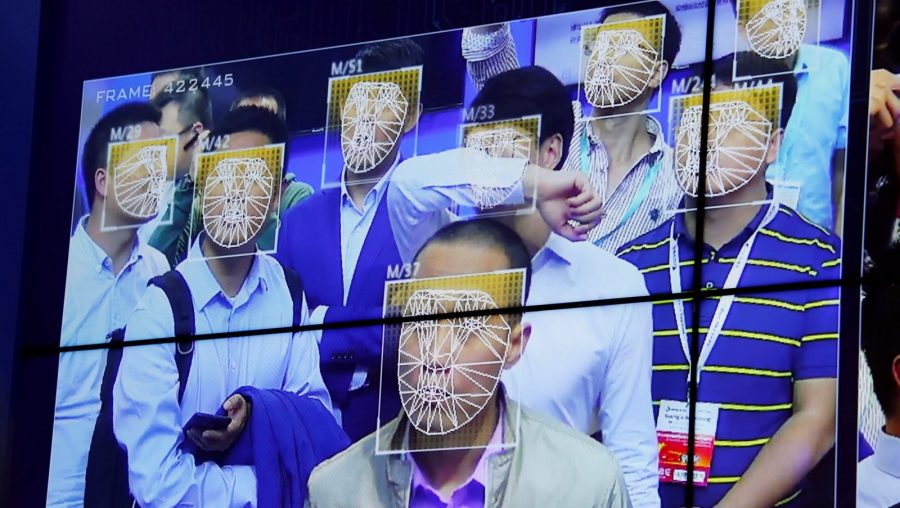
China wants to become a country of innovation, and lead the world in artificial intelligence in 2030. By one indicator, it’s on its way.
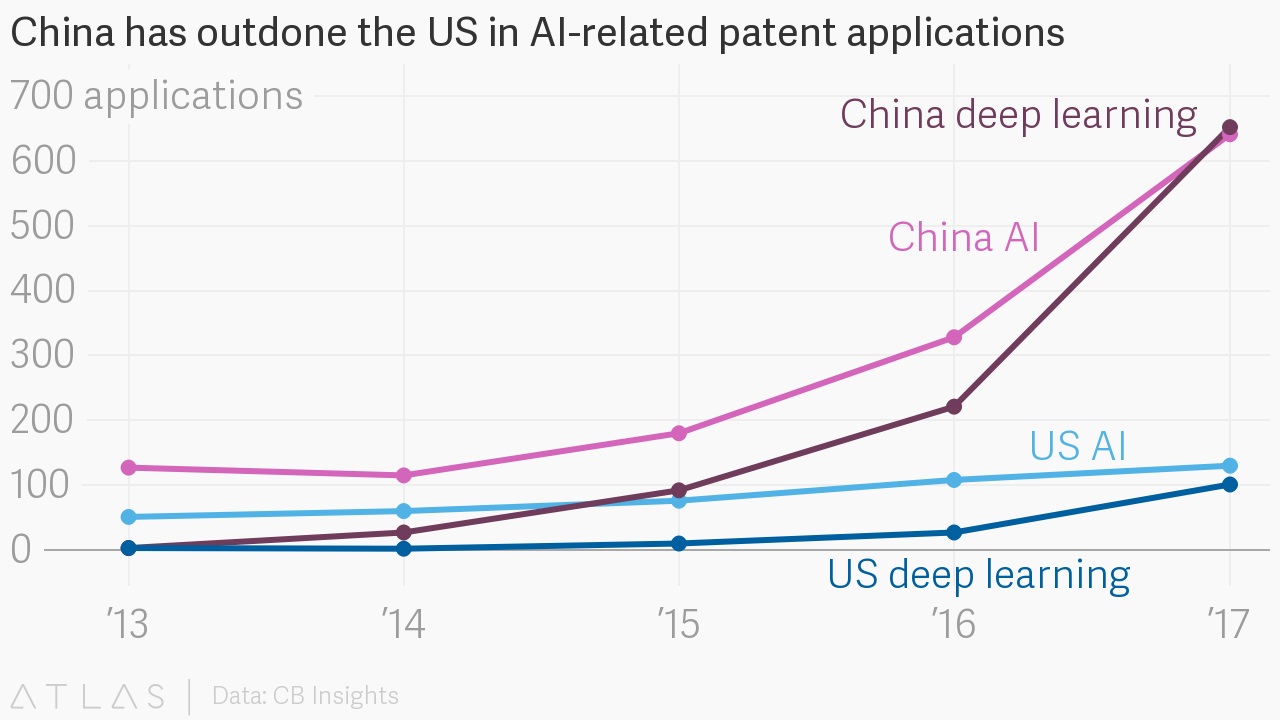
China is outdoing the US in some kinds of AI-related intellectual property, according to a report published in mid-February by US business research firm CB Insights. The number of patents with the words “artificial intelligence” and “deep learning” published in China has grown faster than those published in the US, particularly in 2017, the firm found. Publication is a step that comes after applications are filed but before a patent is granted. The firm looked at data from the European patent office.
When it comes to deep learning—an advanced subset of machine learning, which uses algorithms to identify complex patterns in large amounts of data—China has six times more patent publications than the US, noted the report (pdf, p.7).
There are some caveats to these numbers of course.
To continue reading this article in Quartz.com, click here.
About the Author:

Echo Huang is a reporter for Quartz based in Hong Kong. She graduated from the University of Hong Kong with a master’s degree in journalism. She speaks Cantonese and Mandarin.